
Best Deep-Nude AI Tools? Prevent Harm Using These Ethical Alternatives
There's no "top" Deepnude, clothing removal app, or Apparel Removal Tool that is protected, lawful, or ethical to use. If your goal is premium AI-powered innovation without damaging anyone, shift to ethical alternatives and security tooling.
Search results and ads promising a realistic nude Generator or an machine learning undress app are designed to transform curiosity into risky behavior. Many services advertised as N8k3d, NudeDraw, BabyUndress, AINudez, Nudiva, or PornGen trade on shock value and "remove clothes from your significant other" style text, but they function in a legal and ethical gray territory, often breaching platform policies and, in many regions, the legislation. Despite when their product looks realistic, it is a synthetic image—artificial, unauthorized imagery that can harm again victims, harm reputations, and expose users to criminal or civil liability. If you desire creative technology that values people, you have better options that do not focus on real individuals, do not produce NSFW damage, and do not put your security at danger.
There is not a safe "clothing removal app"—this is the facts
Any online nude generator claiming to remove clothes from images of real people is designed for unauthorized use. Despite "personal" or "for fun" uploads are a security risk, and the product is continues to be abusive deepfake content.
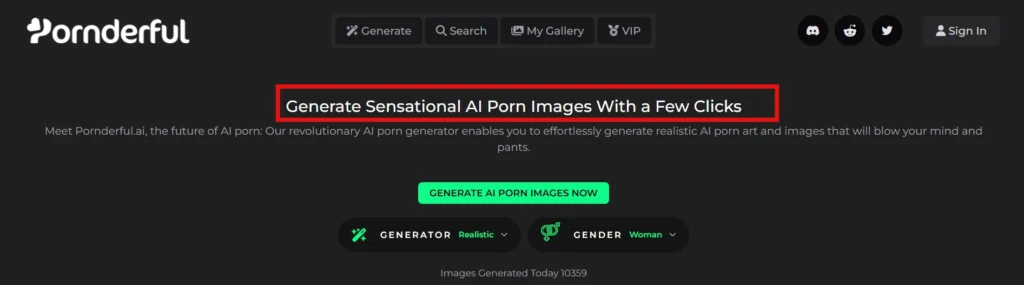
Companies with names like N8ked, Draw-Nudes, UndressBaby, AINudez, Nudi-va, and Porn-Gen market "convincing nude" results and one‑click clothing removal, but they offer no genuine consent confirmation and infrequently disclose data retention policies. Common patterns include recycled algorithms behind different brand facades, unclear refund conditions, and infrastructure in lenient jurisdictions where user images can be stored or recycled. Transaction processors and systems regularly prohibit these apps, which drives them into throwaway domains and creates chargebacks and help messy. Though if you overlook the injury to subjects, you are handing sensitive data to an unaccountable operator in return for a risky NSFW synthetic content.
How do machine learning undress applications actually operate?
They do never "uncover" a concealed body; they generate a artificial one dependent on the source photo. The discover the benefits of ainudez solutions pipeline is typically segmentation combined with inpainting with a generative model educated on NSFW datasets.
The majority of artificial intelligence undress applications segment apparel regions, then use a synthetic diffusion system to inpaint new imagery based on patterns learned from massive porn and nude datasets. The algorithm guesses forms under fabric and blends skin patterns and shadows to match pose and illumination, which is the reason hands, accessories, seams, and background often exhibit warping or conflicting reflections. Since it is a probabilistic System, running the identical image several times produces different "forms"—a telltale sign of fabrication. This is deepfake imagery by design, and it is how no "realistic nude" claim can be equated with fact or authorization.
The real risks: juridical, ethical, and personal fallout
Unauthorized AI nude images can breach laws, platform rules, and job or academic codes. Victims suffer real harm; producers and distributors can face serious repercussions.
Many jurisdictions ban distribution of involuntary intimate pictures, and many now specifically include AI deepfake porn; site policies at Facebook, TikTok, The front page, Discord, and primary hosts block "stripping" content despite in personal groups. In workplaces and educational institutions, possessing or spreading undress photos often initiates disciplinary consequences and equipment audits. For victims, the injury includes harassment, reputational loss, and permanent search indexing contamination. For individuals, there's privacy exposure, payment fraud risk, and possible legal responsibility for creating or sharing synthetic content of a genuine person without authorization.
Responsible, consent-first alternatives you can use today
If you find yourself here for creativity, aesthetics, or graphic experimentation, there are secure, superior paths. Choose tools trained on approved data, created for permission, and aimed away from genuine people.
Consent-based creative creators let you produce striking images without targeting anyone. Design Software Firefly's Generative Fill is educated on Design Stock and licensed sources, with content credentials to monitor edits. Stock photo AI and Canva's tools likewise center authorized content and generic subjects as opposed than real individuals you recognize. Utilize these to investigate style, lighting, or style—not ever to mimic nudity of a specific person.
Privacy-safe image processing, avatars, and virtual models
Virtual characters and synthetic models provide the creative layer without damaging anyone. These are ideal for account art, creative writing, or merchandise mockups that stay SFW.
Applications like Ready Player User create cross‑app avatars from a selfie and then discard or on-device process private data based to their rules. Artificial Photos provides fully synthetic people with licensing, beneficial when you need a appearance with obvious usage permissions. Retail-centered "synthetic model" platforms can test on garments and display poses without using a genuine person's form. Ensure your procedures SFW and prevent using these for adult composites or "artificial girls" that mimic someone you recognize.
Detection, monitoring, and removal support
Combine ethical generation with safety tooling. If you're worried about improper use, identification and encoding services assist you respond faster.
Deepfake detection companies such as Detection platform, Content moderation Moderation, and Reality Defender offer classifiers and monitoring feeds; while incomplete, they can identify suspect content and profiles at scale. StopNCII.org lets adults create a identifier of personal images so sites can prevent unauthorized sharing without storing your photos. AI training HaveIBeenTrained aids creators see if their content appears in public training sets and control exclusions where offered. These systems don't resolve everything, but they shift power toward permission and management.
Safe alternatives comparison
This summary highlights practical, permission-based tools you can use instead of all undress tool or Deep-nude clone. Fees are estimated; verify current rates and policies before use.
| Platform | Core use | Typical cost | Data/data posture | Remarks |
|---|---|---|---|---|
| Design Software Firefly (Generative Fill) | Authorized AI visual editing | Built into Creative Package; limited free credits | Built on Design Stock and approved/public material; content credentials | Excellent for composites and enhancement without focusing on real individuals |
| Creative tool (with stock + AI) | Graphics and secure generative edits | No-cost tier; Premium subscription offered | Uses licensed materials and guardrails for adult content | Rapid for advertising visuals; avoid NSFW prompts |
| Artificial Photos | Entirely synthetic people images | No-cost samples; premium plans for better resolution/licensing | Artificial dataset; obvious usage rights | Use when you need faces without individual risks |
| Prepared Player Myself | Multi-platform avatars | No-cost for individuals; builder plans change | Digital persona; review application data processing | Keep avatar creations SFW to avoid policy problems |
| Detection platform / Safety platform Moderation | Fabricated image detection and tracking | Corporate; reach sales | Processes content for identification; enterprise controls | Employ for brand or group safety activities |
| Anti-revenge porn | Hashing to prevent non‑consensual intimate photos | No-cost | Makes hashes on the user's device; does not keep images | Backed by major platforms to prevent re‑uploads |
Practical protection guide for individuals
You can reduce your exposure and create abuse challenging. Lock down what you upload, limit dangerous uploads, and create a documentation trail for removals.
Make personal accounts private and remove public albums that could be scraped for "artificial intelligence undress" misuse, specifically clear, forward photos. Remove metadata from photos before uploading and skip images that reveal full body contours in fitted clothing that stripping tools aim at. Add subtle watermarks or content credentials where possible to assist prove authenticity. Set up Search engine Alerts for personal name and perform periodic backward image lookups to spot impersonations. Keep a directory with timestamped screenshots of harassment or fabricated images to support rapid reporting to services and, if necessary, authorities.
Delete undress tools, stop subscriptions, and erase data
If you downloaded an undress app or paid a site, stop access and ask for deletion instantly. Move fast to limit data retention and repeated charges.
On mobile, delete the app and access your App Store or Google Play subscriptions page to cancel any auto-payments; for web purchases, cancel billing in the billing gateway and update associated passwords. Reach the vendor using the privacy email in their policy to request account deletion and information erasure under data protection or CCPA, and request for formal confirmation and a information inventory of what was stored. Purge uploaded photos from every "history" or "log" features and clear cached files in your internet application. If you believe unauthorized transactions or identity misuse, notify your credit company, place a security watch, and record all steps in case of dispute.
Where should you notify deepnude and fabricated image abuse?
Report to the service, employ hashing services, and refer to regional authorities when regulations are broken. Preserve evidence and refrain from engaging with harassers directly.
Employ the alert flow on the platform site (networking platform, forum, image host) and choose involuntary intimate content or deepfake categories where accessible; include URLs, timestamps, and identifiers if you possess them. For individuals, make a case with StopNCII.org to help prevent reposting across partner platforms. If the victim is under 18, contact your local child welfare hotline and utilize National Center Take It Down program, which assists minors have intimate images removed. If threats, coercion, or stalking accompany the photos, make a police report and mention relevant unauthorized imagery or online harassment regulations in your jurisdiction. For workplaces or schools, inform the appropriate compliance or Federal IX office to initiate formal processes.
Verified facts that do not make the promotional pages
Reality: Generative and completion models are unable to "see through garments"; they create bodies based on information in learning data, which is why running the identical photo repeatedly yields different results.
Truth: Major platforms, including Meta, Social platform, Reddit, and Communication tool, explicitly ban involuntary intimate photos and "stripping" or machine learning undress material, though in personal groups or direct messages.
Truth: StopNCII.org uses local hashing so platforms can detect and stop images without saving or seeing your photos; it is operated by Safety organization with backing from business partners.
Fact: The C2PA content authentication standard, endorsed by the Digital Authenticity Initiative (Design company, Microsoft, Camera manufacturer, and additional companies), is growing in adoption to enable edits and artificial intelligence provenance followable.
Reality: Data opt-out HaveIBeenTrained enables artists explore large open training collections and record opt‑outs that some model vendors honor, improving consent around training data.
Final takeaways
Despite matter how refined the advertising, an clothing removal app or DeepNude clone is built on unauthorized deepfake material. Selecting ethical, authorization-focused tools offers you innovative freedom without damaging anyone or subjecting yourself to lawful and data protection risks.
If you find yourself tempted by "artificial intelligence" adult artificial intelligence tools offering instant clothing removal, see the danger: they cannot reveal fact, they regularly mishandle your data, and they leave victims to handle up the aftermath. Redirect that fascination into authorized creative workflows, synthetic avatars, and security tech that values boundaries. If you or a person you are familiar with is victimized, work quickly: alert, fingerprint, monitor, and log. Innovation thrives when authorization is the standard, not an afterthought.